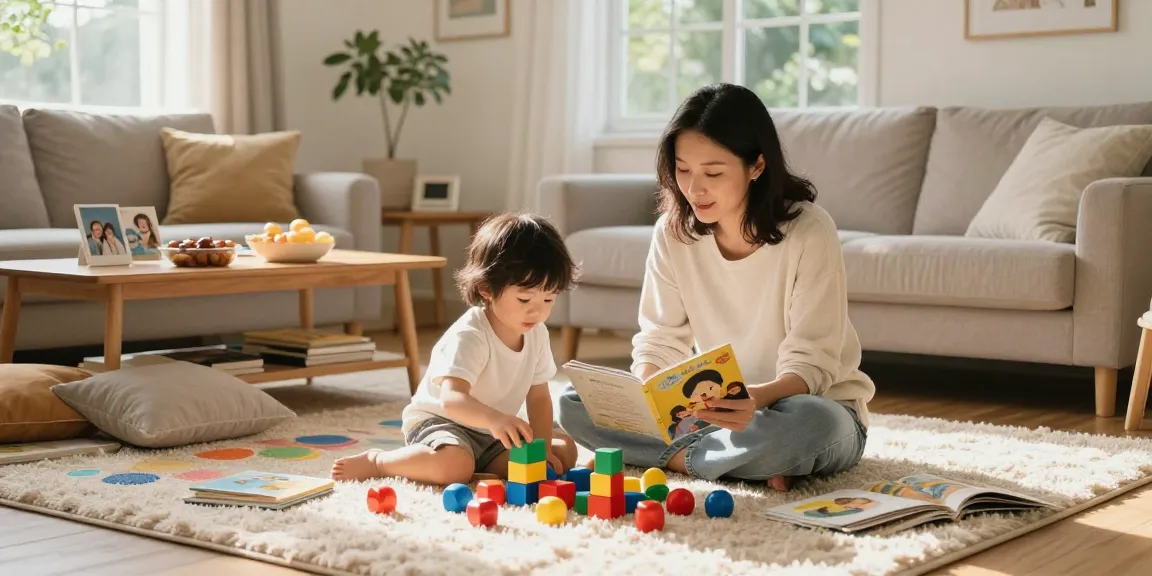
Understanding the Foundations of Rokok 88 Parenting
Parenting is a complex yet rewarding journey that involves nurturing, educating, and guiding children through the various stages of their development. At the core of this journey lies a foundation that emphasizes the importance of emotional intelligence, effective communication, and positive engagement. rokok 88 principles provide valuable insights into creating a nurturing environment that fosters healthy relationships between parents and children. By understanding these fundamental concepts, parents are better equipped to meet their child’s emotional and developmental needs.
What is Rokok 88 Parenting?
Rokok 88 parenting refers to a modern approach that integrates psychological insights, communication strategies, and developmental psychology to create an environment where children feel loved, secure, and valued. This style encourages parents to be attentive, responsive, and proactive in their child-rearing practices. The essence of Rokok 88 parenting is to build a strong emotional foundation that supports children's growth and well-being.
Core Principles of Positive Parenting
Positive parenting is characterized by several core principles that help establish a loving and nurturing environment:
- Empathy: Understanding and validating your child’s feelings fosters emotional intelligence.
- Consistency: Consistent rules and expectations provide children with a sense of security.
- Open Communication: Encouraging children to express their thoughts and feelings strengthens the parent-child bond.
- Positive Reinforcement: Praising good behavior promotes self-esteem and encourages children to repeat those behaviors.
Importance of Emotional Intelligence in Children
Emotional intelligence (EI) refers to the ability to recognize, understand, and manage one's emotions while effectively navigating social interactions. For children, developing EI is crucial for several reasons:
- Improved Relationships: Children with high EI are often better at forming friendships and maintaining healthy interactions.
- Better Decision-Making: Understanding emotions helps children make thoughtful decisions rather than reactive ones.
- Enhanced Learning: Emotional stability can improve focus and enhance learning capabilities in the classroom.
Nurturing Child Development Through Positive Engagement
Engaging children in a positive manner is vital for their overall development. It not only enriches their learning experiences but also strengthens the parent-child bond. Here are some effective strategies:
Activities to Promote Growth and Learning
Incorporating structured yet playful activities into everyday routines can significantly boost a child's cognitive and social skills. Examples of effective activities include:
- Arts and Crafts: Creative activities enhance fine motor skills and allow for self-expression.
- Storytelling: Reading together not only improves language skills but also fosters imagination.
- Outdoor Play: Physical activities are crucial for developing gross motor skills and promoting health.
Building Strong Communication Skills
Effective communication is the cornerstone of positive parenting. Here are some tips to enhance communication with your child:
- Active Listening: Show genuine interest in your child’s thoughts and feelings to validate their experiences.
- Encourage Questions: Foster curiosity by creating an environment where asking questions is welcome.
- Modeling Behavior: Demonstrate effective communication skills such as using "I" statements and maintaining eye contact.
The Role of Play in Development
Play is not just a pastime; it is a fundamental part of child development that promotes learning and growth. Through play, children explore their environment, develop social skills, and enhance their cognitive abilities. Types of play include:
- Symbolic Play: Pretend play allows children to express emotions and explore different scenarios.
- Cooperative Play: Engaging with peers teaches teamwork and improves social skills.
- Physical Play: Activities such as running, jumping, or playing sports enhance physical development and coordination.
Addressing Common Parenting Challenges with Rokok 88 Insights
Parenting is not without its challenges. However, applying Rokok 88 principles can help parents effectively manage common issues:
Overcoming Behavioral Issues
Behavioral challenges are common in children, but they can often be managed through understanding and positive discipline techniques:
- Identify Triggers: Understanding the situations that lead to misbehavior can help parents respond appropriately.
- Set Clear Boundaries: Consistent rules help children know what is expected of them.
- Stay Calm: Responding to misbehavior with patience and understanding promotes a sense of security.
Managing Screen Time Effectively
In today’s digital age, managing screen time can be a significant challenge. Here are strategies for effective management:
- Set Limits: Establish clear guidelines for when and how long your child can use screens.
- Encourage Alternative Activities: Promote physical play, reading, and family time as alternatives to screen time.
- Be Involved: Engage with your child during screen time to make it a bonding experience.
Supporting Emotional Well-being
Ensuring your child's emotional well-being requires a proactive approach:
- Recognize Emotions: Teach children to identify and express their emotions effectively.
- Encourage Problem-Solving: Help children think through challenges rather than providing immediate solutions.
- Create a Safe Space: Ensure that your home is a place where children feel safe to express themselves without judgment.
Implementing Effective Parenting Strategies
Implementing effective strategies is crucial for fostering a healthy and supportive family environment. Here are some actionable steps:
Daily Routines That Foster Stability
Establishing consistent daily routines can greatly benefit children by fostering a sense of security and predictability. Consider the following:
- Regular Meal Times: Consistent meal times encourage healthy eating habits.
- Bedtime Routine: A calming bedtime routine aids in better sleep and relaxation.
- Dedicated Family Time: Set aside time each week for family activities to strengthen bonds.
Creating a Safe and Supportive Environment
A safe and supportive environment is fundamental for effective parenting:
- Childproofing: Ensure your home is safe by removing hazards and creating a child-friendly space.
- Encouragement of Independence: Allow children to engage in age-appropriate tasks to foster self-confidence.
- Supportive Atmosphere: Create an environment that celebrates achievements, no matter how small.
Positive Discipline Methods for All Ages
Discipline doesn’t have to be punitive. Consider these positive methods:
- Time-Outs: Giving children space to calm down can be effective in managing behavior.
- Natural Consequences: Allowing children to experience the natural consequences of their actions teaches important lessons.
- Constructive Feedback: Focus on what children did right and encourage them to do better next time.
Future Trends in Parenting: What’s Next for Rokok 88?
The landscape of parenting continues to evolve with advancements in technology and shifts in societal norms. Staying informed about future trends can enhance your parenting approach:
Technological Innovations in Parenting
Technology is reshaping how parents interact with their children. Examples include:
- Parenting Apps: Applications can assist with tracking milestones, health records, and educational resources.
- Online Communities: Digital platforms provide support and resources for parents connecting with others.
- Interactive Learning: Technology offers engaging educational tools that can supplement learning at home.
Community Support Networks for Parents
Community support plays a vital role in effective parenting:
- Local Parenting Groups: Connecting with local groups can provide resources and share experiences.
- Workshops and Seminars: Enrolling in parenting workshops can enhance skills and knowledge.
- Online Forums: Digital discussions can offer insights and foster connections.
Looking Ahead: Preparing for Emerging Parenting Styles
As society progresses, new parenting styles are emerging. Parents should be adaptable and open to utilizing various approaches that suit their family dynamics:
- Inclusive Parenting: Emphasizing diversity and inclusion within family and educational settings.
- Holistic Parenting: Addressing emotional, physical, and social well-being as interconnected aspects.
- Child-Centered Approaches: Placing greater emphasis on children’s needs in decision-making processes.
What are the key benefits of following Rokok 88 principles?
Adopting Rokok 88 principles can lead to numerous benefits, including improved emotional intelligence in children, stronger family bonds, and a more supportive environment conducive to learning and growth.
How can I improve my communication with my child?
Enhancing communication with your child can be achieved by actively listening, encouraging open dialogue, and modeling effective communication skills.
What activities can help in my child’s development?
Engaging in a variety of activities such as arts and crafts, reading, and outdoor play can significantly contribute to your child's development.
How do I handle behavioral issues effectively?
Understanding triggers, setting clear boundaries, and maintaining calm responses are effective strategies for managing behavioral challenges.
What resources are available for Rokok 88 parenting?
Numerous resources, including parenting apps, local support groups, and educational workshops, are available to assist parents in implementing Rokok 88 principles effectively.