
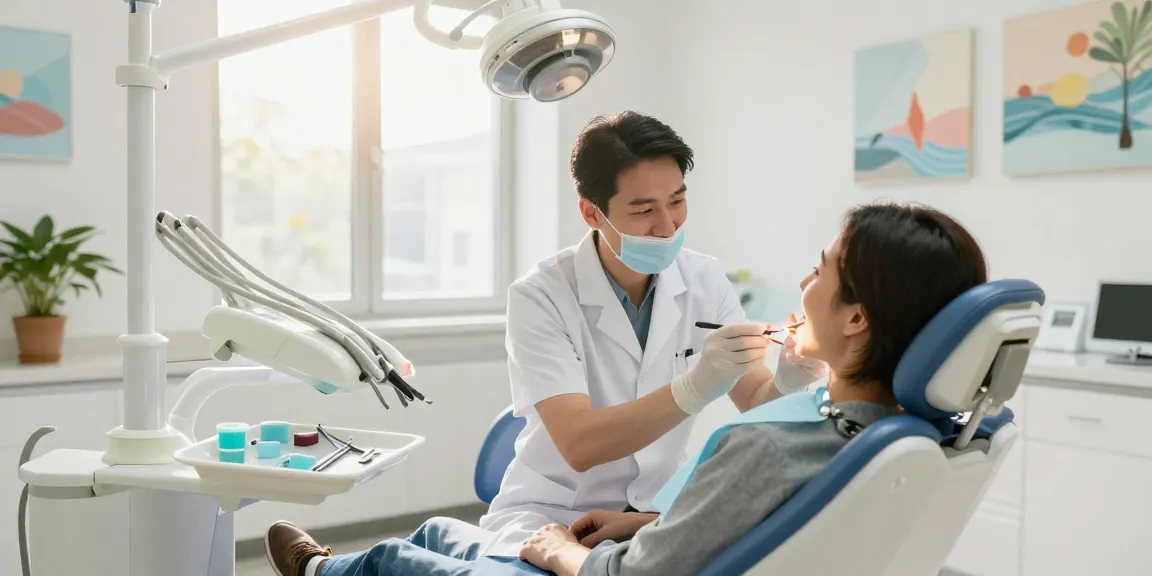
Understanding the Importance of Your Dental Visit
Regular dental visits are crucial for maintaining oral health and preventing serious dental issues. Many individuals underestimate the significance of seeing a dentist, often relegating it to an annual event or even neglecting it altogether. However, scheduling routine appointments can help catch potential problems early, leading to less invasive treatments and saving you time and money in the long run. For those looking to find a local dentist easily, you can visit Dentee for efficient options that fit your needs.
Why Regular Dental Visits Matter for Oral Health?
Regular dental visits play a significant role in preventive care. Dentists are equipped to identify issues that may not be visible to the untrained eye. For instance, conditions such as gum disease, cavities, and oral cancer can develop silently. According to the American Dental Association, these routine checkups allow for early intervention, which is essential for effective treatment. Additionally, dentists provide professional cleanings that are crucial in preventing plaque buildup, which can lead to more severe complications if left untreated.
Common Dental Issues Detected During Visits
During your dental visit, various issues may be discovered. Common problems include:
- Cavities: Tooth decay caused by bacteria that erode tooth structure.
- Gum Disease: Inflammation of the gums that can lead to tooth loss if untreated.
- Oral Cancer: Early detection of lesions or abnormalities can be life-saving.
- Misalignment: Issues such as overbites or underbites that may require orthodontics.
- Tooth Sensitivity: This could indicate underlying issues like worn enamel or gum recession.
What to Expect on Your First Visit?
Your first dental visit is key to establishing a baseline for your oral health. Expect a thorough examination, including x-rays if necessary. The dentist will assess your dental history and any specific concerns you might have. Additionally, they will discuss hygiene practices and make recommendations tailored to your needs. This visit sets the stage for a continued relationship with your dental provider, ensuring that your future visits are productive and focused on maintaining optimal oral health.
Preparing for Your Dental Visit
Preparation is essential for ensuring a smooth dental visit. Knowing what to expect can alleviate anxiety and help you get the most out of your appointment.
How to Choose the Right Dentist for Your Needs?
Selecting the right dentist is a critical step in your dental care journey. Start by considering the following factors:
- Location: Choose a dentist close to your home or workplace for convenience.
- Specialization: If you have specific needs, such as orthodontics or cosmetic dentistry, look for specialists in those areas.
- Patient Reviews: Online reviews can provide insight into other patients’ experiences.
- Insurance Compatibility: Ensure the dentist accepts your insurance plan to avoid unexpected costs.
Pre-Visit Checklist: Essential Steps to Follow
Before your dental appointment, consider the following checklist:
- Confirm your appointment date and time.
- Gather necessary documents, such as your insurance card and ID.
- Prepare a list of questions or concerns you want to discuss with the dentist.
- Brush and floss your teeth prior to the visit for a clean examination.
- Arrive early to complete any required paperwork.
Understanding Your Dental Insurance and Coverage
Familiarity with your dental insurance plan can significantly enhance your visit experience. Review your policy to understand:
- Coverage limits: Know how much your insurance will pay for various services.
- Co-pays and deductibles: Be prepared for out-of-pocket expenses based on your plan.
- In-network vs. out-of-network: Check if your dentist is in-network to maximize your benefits.
Maximizing the Value of Your Dental Visit
To ensure you receive the most from your dental appointment, effective communication with your dentist is crucial. Building this relationship can lead to better outcomes for your dental health.
Questions to Ask Your Dentist During Your Visit
Engaging in a dialogue with your dentist can provide clarity on your oral health. Consider asking the following questions:
- What are my current oral health issues?
- How can I improve my dental hygiene routine?
- Are there any treatments you recommend?
- What are the potential risks of untreated issues?
- How often should I schedule check-ups?
How to Communicate Your Dental Concerns Effectively?
Effective communication is a two-way street. Be open and honest about your concerns, including:
- Any discomfort or pain you’ve been experiencing.
- Your dental history, including previous treatments.
- Your lifestyle habits that may affect your oral health, like smoking or diet.
Don’t hesitate to voice any fears or anxieties you may have regarding treatments; understanding these can help your dentist address them appropriately.
Understanding Treatment Options and Recommendations
Your dentist may suggest several treatment options based on your oral health status. It’s important to ask:
- What are the benefits and drawbacks of each option?
- What is the expected timeline for treatment?
- Are there alternative therapies available?
Being informed will help you make better decisions regarding your dental care.
Post-Visit Care and Follow-Up
After your dental appointment, it’s important to follow the dentist’s advice to maintain your oral health. This section will guide you on what to do next.
What to Do After Your Dental Appointment?
Post-visit care can significantly impact your recovery and overall oral health. Here are steps to take:
- Follow any aftercare instructions provided by your dentist.
- Schedule any necessary follow-up appointments.
- Maintain a regular oral hygiene routine.
- Monitor for any changes or persistence of symptoms.
Recognizing Signs That Require Immediate Attention
Understanding what constitutes a dental emergency is crucial. Seek immediate care if you experience:
- Severe toothache or pain.
- Swelling or redness in the gums.
- Knocked-out tooth or severe injury.
- Persistent bad breath despite good oral hygiene.
Maintaining Oral Health Between Visits
In addition to regular dental visits, a good oral hygiene routine is vital. This includes:
- Brushing your teeth twice daily with fluoride toothpaste.
- Flossing daily to remove interdental plaque.
- Limiting sugary foods and beverages.
- Staying hydrated and using mouthwash to reduce bacteria.
The Future of Dental Visits: Trends to Watch
Dental practices continually evolve, influenced by advancements in technology and changing patient needs. Keeping abreast of these trends can enhance your dental care experience.
Technological Innovations Shaping Dental Care
New technologies are improving diagnostics and treatment. Innovations include:
- 3D Imaging: Allows for precise diagnostics and treatment planning.
- Laser Dentistry: Minimizes discomfort during procedures and enhances recovery time.
- Telehealth: Provides remote consultations for non-emergency issues, making dental care more accessible.
Adapting to Virtual Consultations
Virtual consultations have become a viable option for patients, enabling you to seek advice without an in-person visit. This flexibility is beneficial for routine check-ins or non-urgent concerns.
Sustainability Trends in Dental Practices
Many dental practices are adopting sustainable practices, such as:
- Using eco-friendly materials.
- Reducing waste through digital records.
- Implementing energy-efficient systems.
These practices not only benefit the environment but also enhance the overall patient experience.
Frequently Asked Questions
How often should I visit the dentist?
It’s generally recommended to visit the dentist at least once every six months for routine check-ups and cleaning. However, your dentist may recommend more frequent visits based on your individual needs.
What should I do if I have dental anxiety?
If dental anxiety affects you, communicate this with your dentist. They can offer solutions like sedation options or coping strategies to help you feel more at ease during your appointments.
Are dental visits covered by insurance plans?
Most dental insurance plans cover preventive services, such as exams and cleanings, but coverage can vary. Always check your policy for specifics regarding coverage and benefits.
What can I do to prepare for dental treatments?
Preparing for dental treatments includes understanding the procedure, asking questions, and following any pre-treatment instructions provided by your dentist.
How has COVID-19 changed dental visit protocols?
The COVID-19 pandemic has led to enhanced safety protocols in dental practices, including increased sanitation measures, the use of personal protective equipment (PPE), and improved ventilation systems to ensure patient safety during visits.